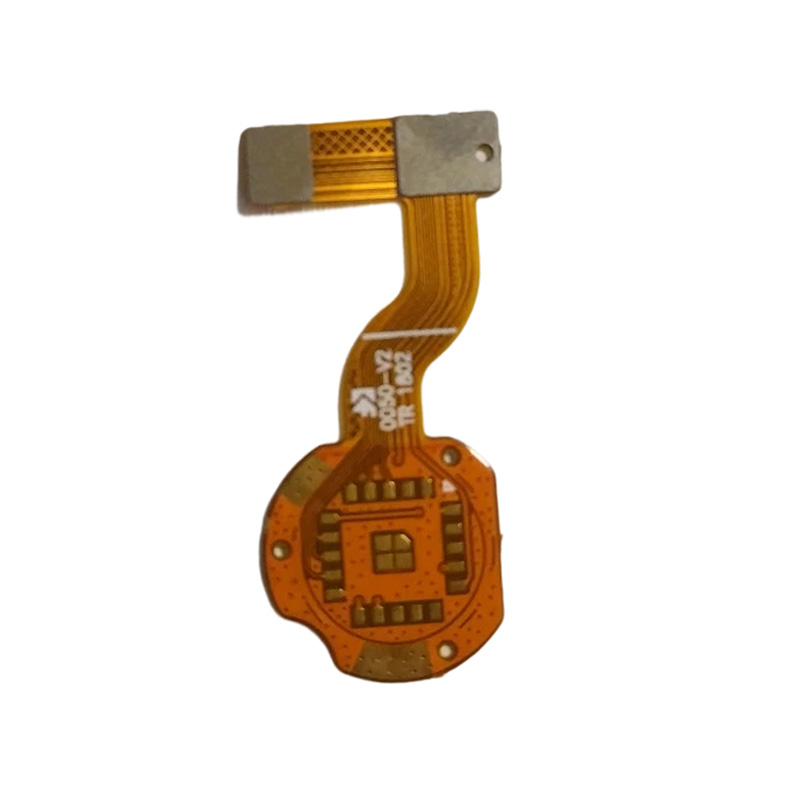
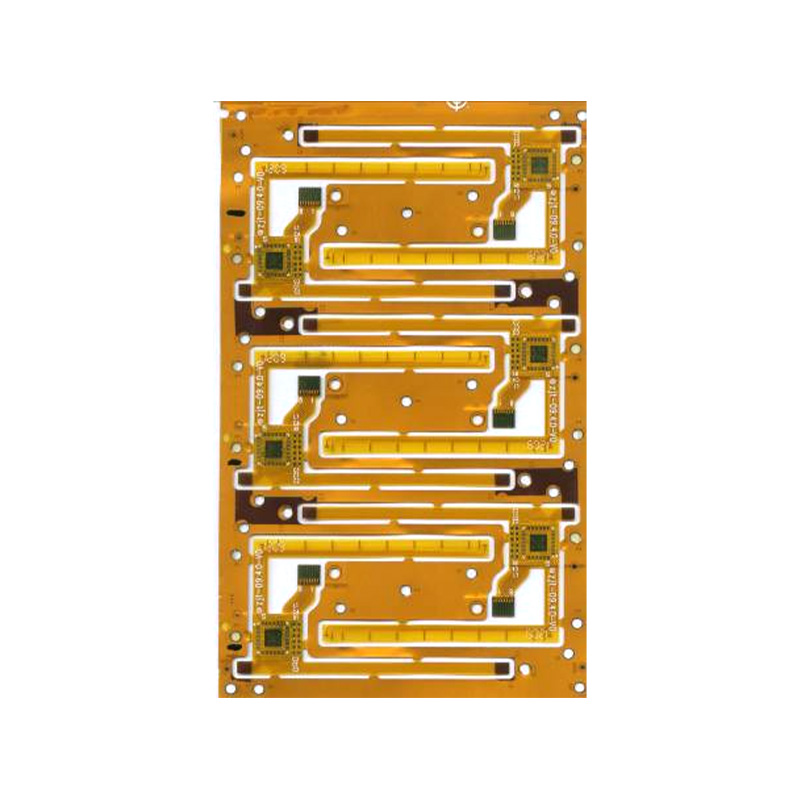
Reducing electromagnetic interference in flexible circuit board federated processors requires a comprehensive approach across the entire process, including design, materials, layout, manufacturing, and testing.
In smartphones, smartwatches, medical endoscopes, foldable devices, and aerospace electronic systems, traditional rigid printed circuit boards (PCBs) are struggling to meet the stringent requirements for lightweight design, miniaturization, and three-dime
In the ever-evolving trend of modern electronic devices becoming thinner, smaller, and smarter, traditional rigid circuit boards are struggling to meet the challenges of complex structures and compact spaces.
In an era where smartphones are becoming increasingly thinner and lighter, wearable devices are conforming to the human body, medical instruments are pursuing miniaturization, and automotive electronics are moving towards high-density integration, traditi
Flexible circuit boards are hailed as the "intimate companions" of electronic devices not only because of their physical softness and lightness, but also because their high adaptability, reliability, and integration capabilities silently support every inn
The stress concentration problem in the rigid-flexible junction area of flexible circuit boards is a key factor affecting their reliability and lifespan.